FREE SHIPPING FOR ORDERS OVER $199
60 DAYS RETURN POLICY
5% OFF FOR NEWSLETTER-SIGN UP
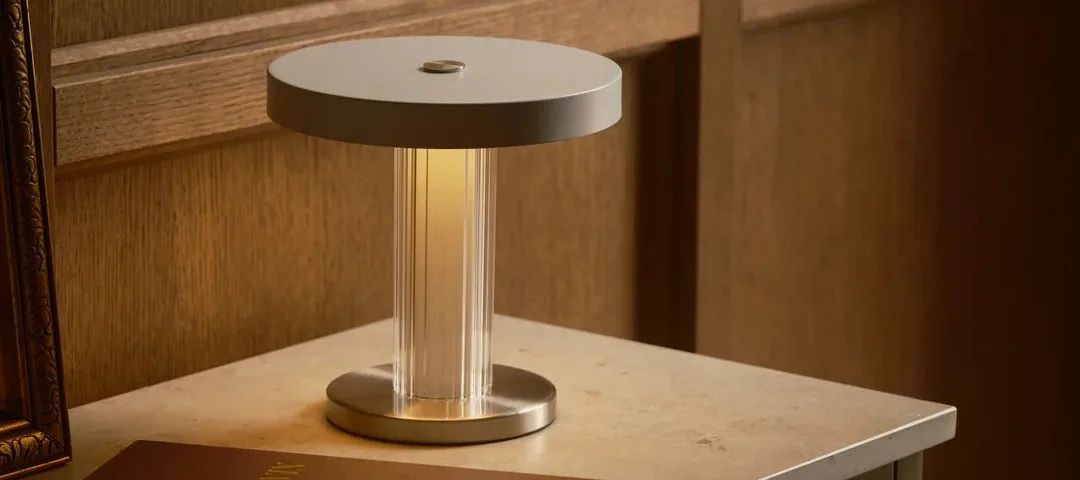
How to plan the lighting in your home: The complete room-by-room guide
The three layers every room needs
Every well-lit room combines three layers of light. Skip one, and the room can end up feeling flat or even harsh no matter how many lamps you add.
- Ambient (general) lighting is the room's base layer, this is the overall illumination that lets you move around safely and see the space as a whole. This is usually a ceiling or pendant light that work to illuminate the whole room.
- Task lighting is focused, functional light for a specific activity: reading, cooking, applying make-up, working at a desk. It needs to be brighter and more direct than ambient light, and positioned so you're not working in your own shadow.
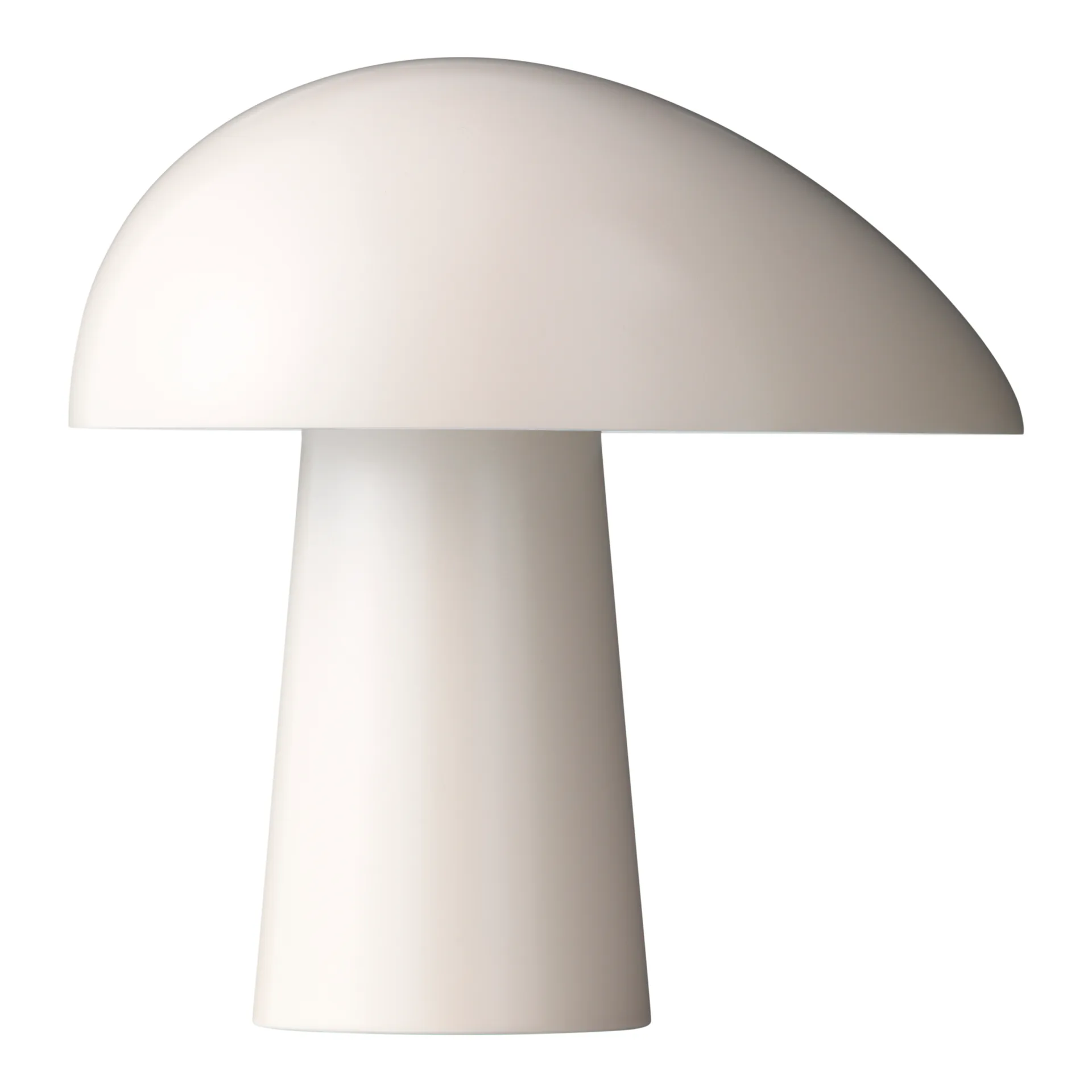
- Accent (mood) lighting is the layer that gives a room atmosphere and depth — table lamps, floor lamps, wall lights and even candles. It's usually the lowest and warmest light in the room, and it's what makes a space feel considered rather than merely lit.
A room that relies on ambient light alone will feel clinical. A room with only lamps and no general light will feel dim and impractical, especially when it comes to cleaning or working in such a room. The rooms that feel effortlessly right almost always have all three layers working together — and the fix for a room that is lacking is almost never a bigger ceiling light, it's a missing layer.
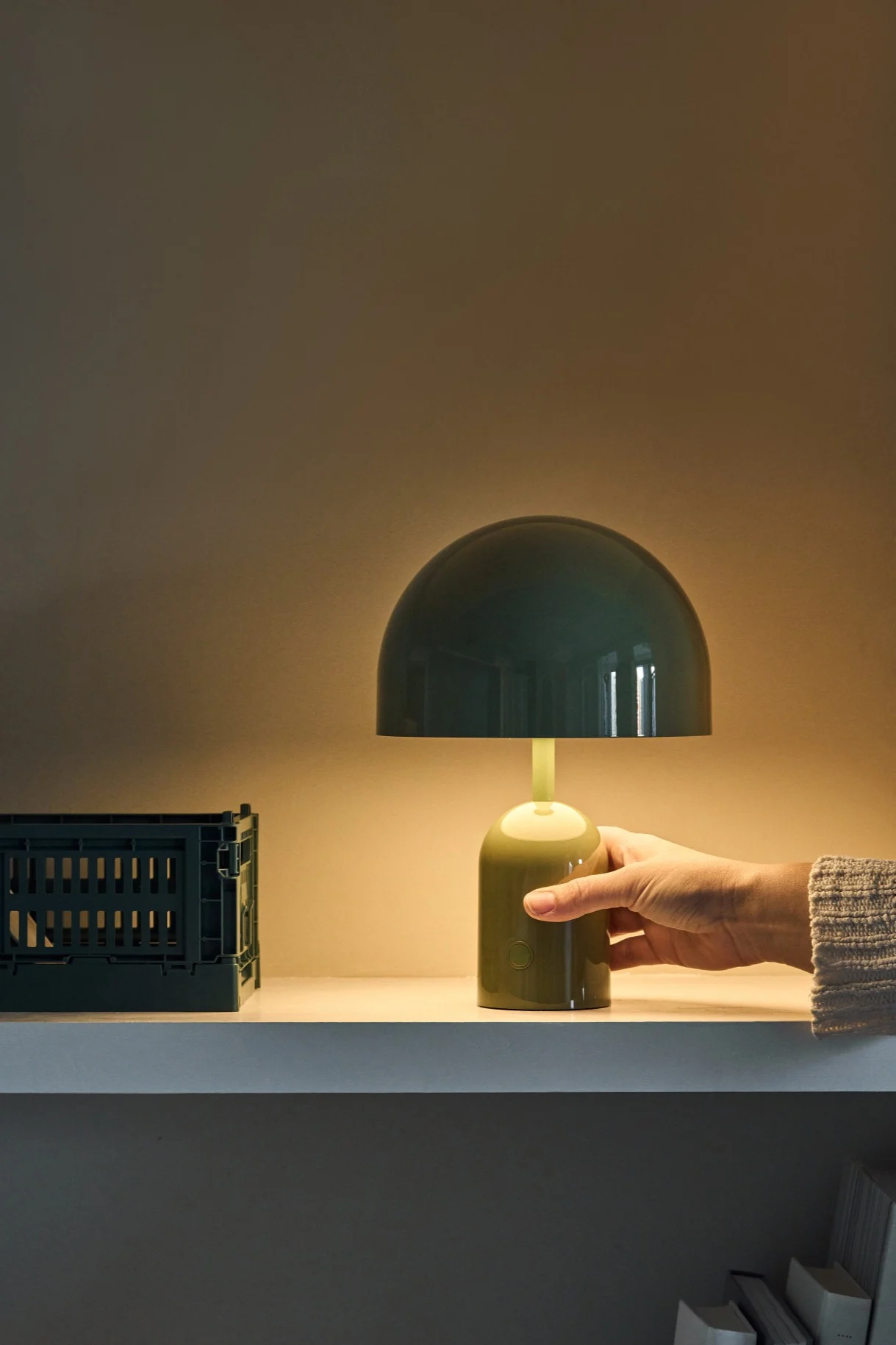
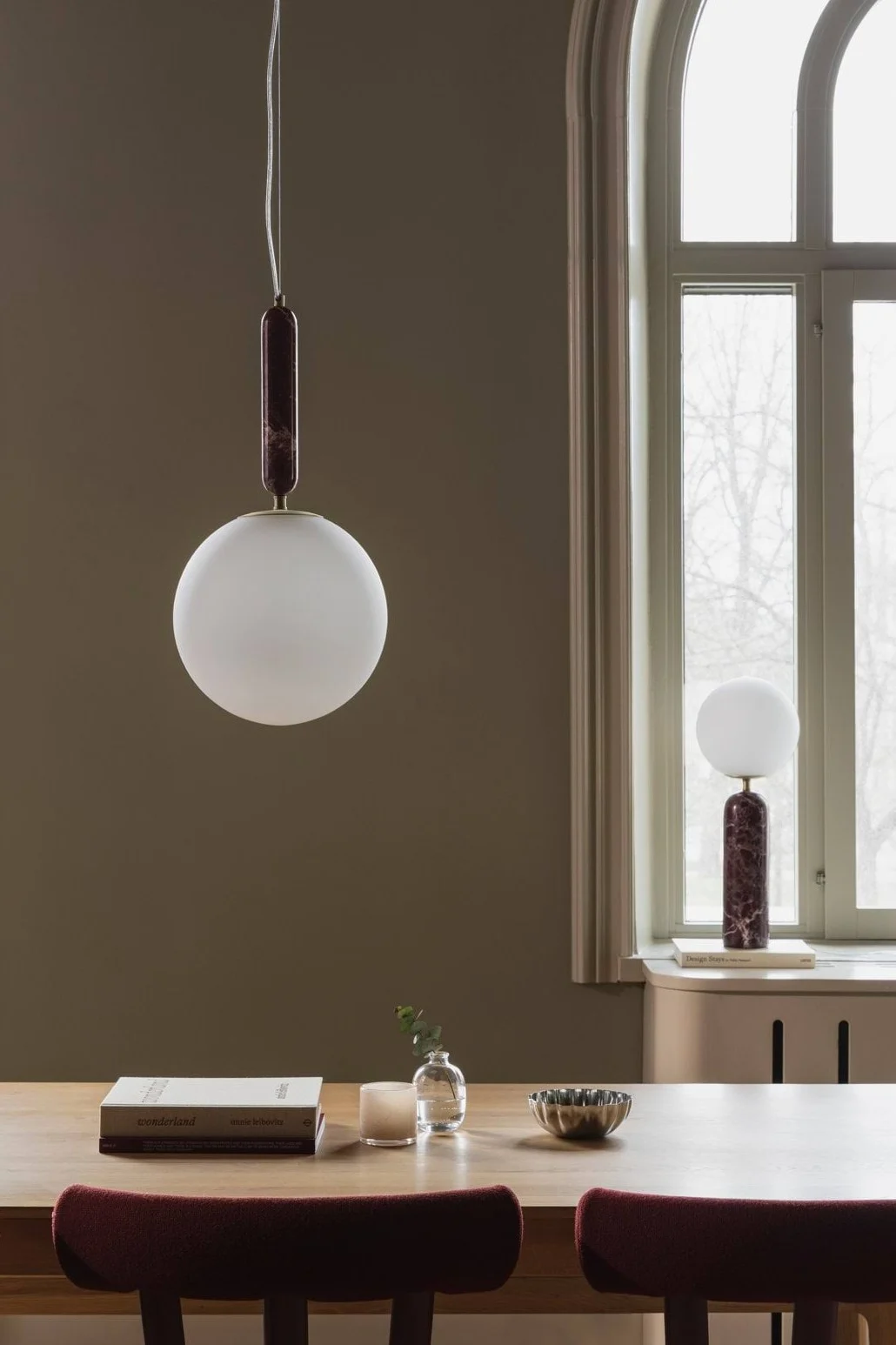
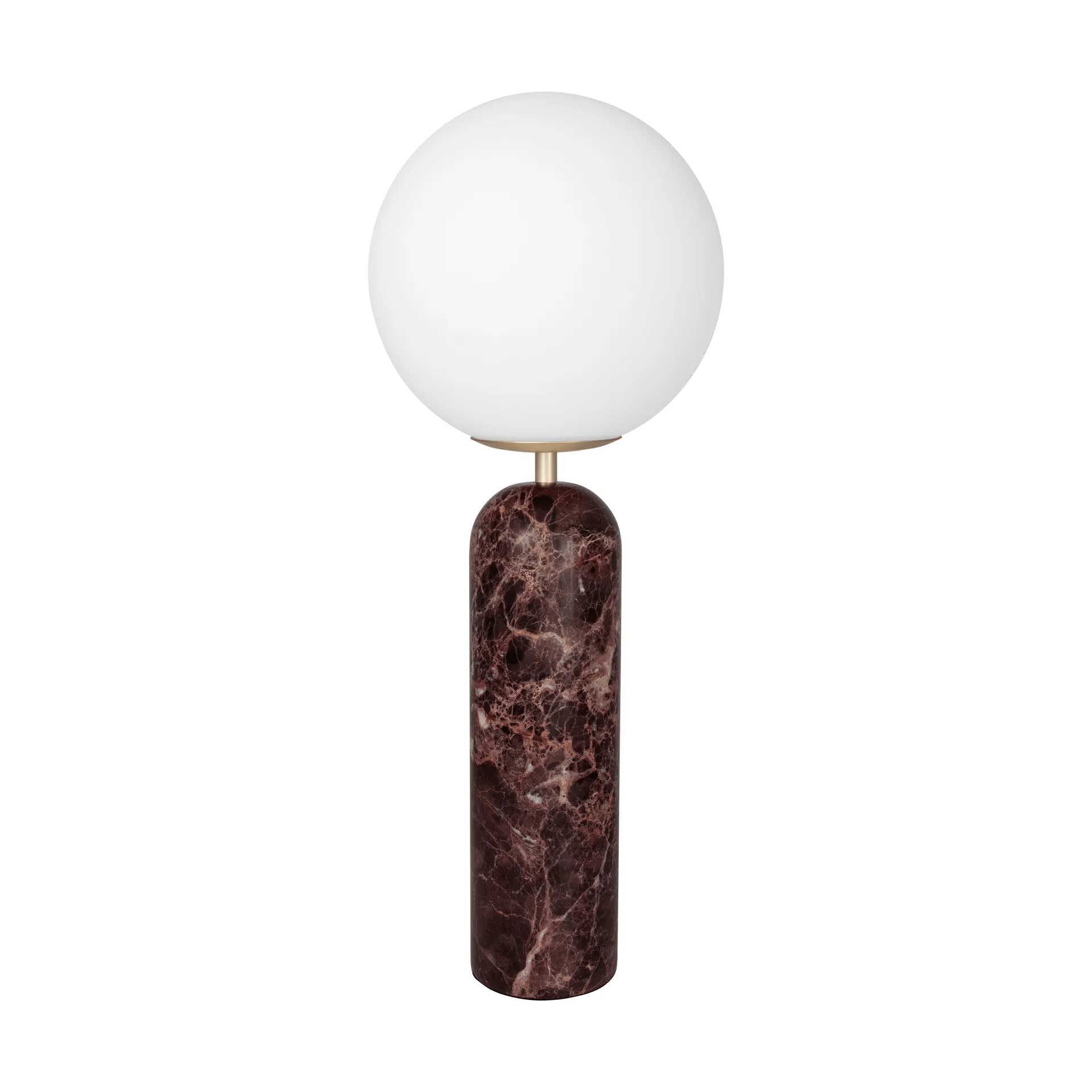
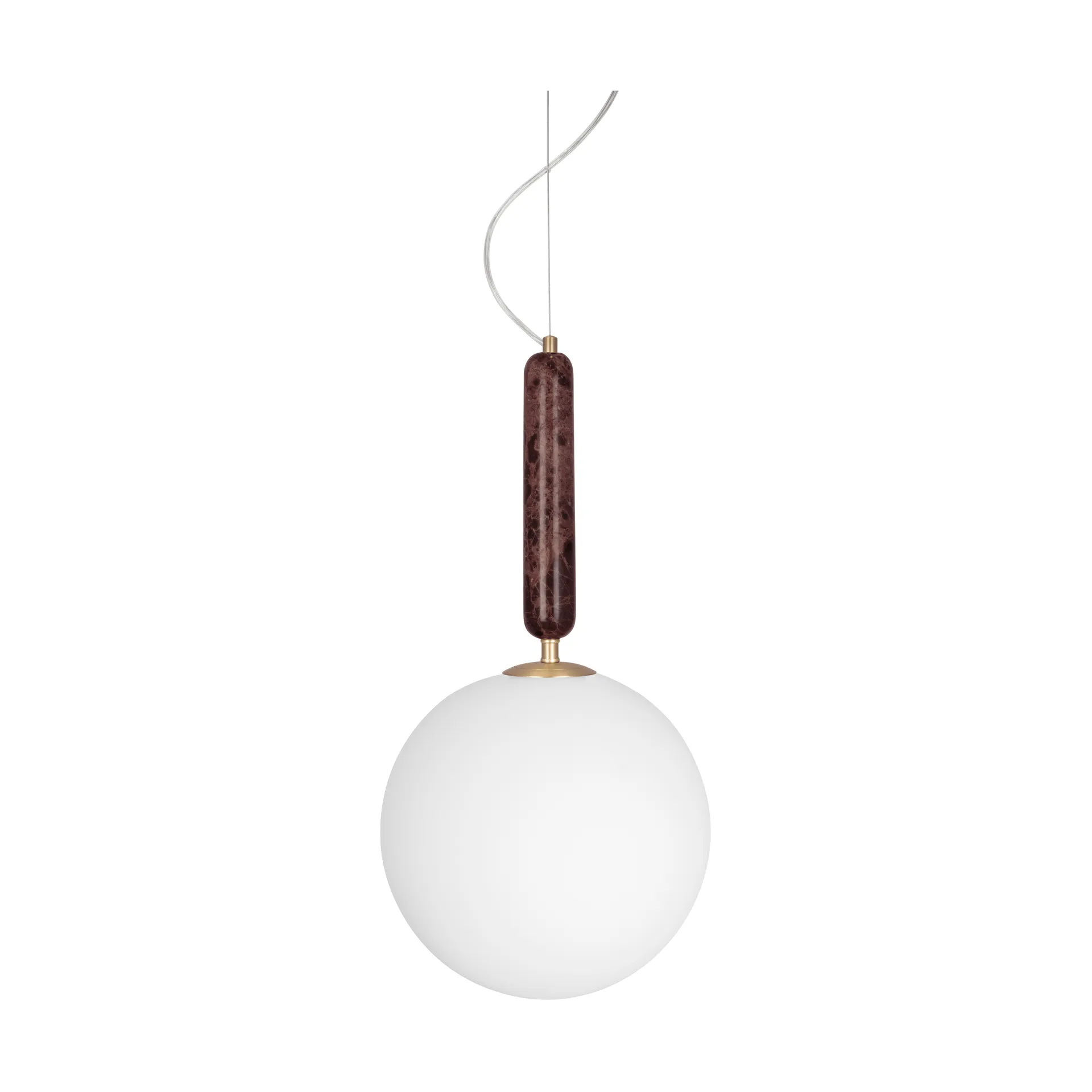
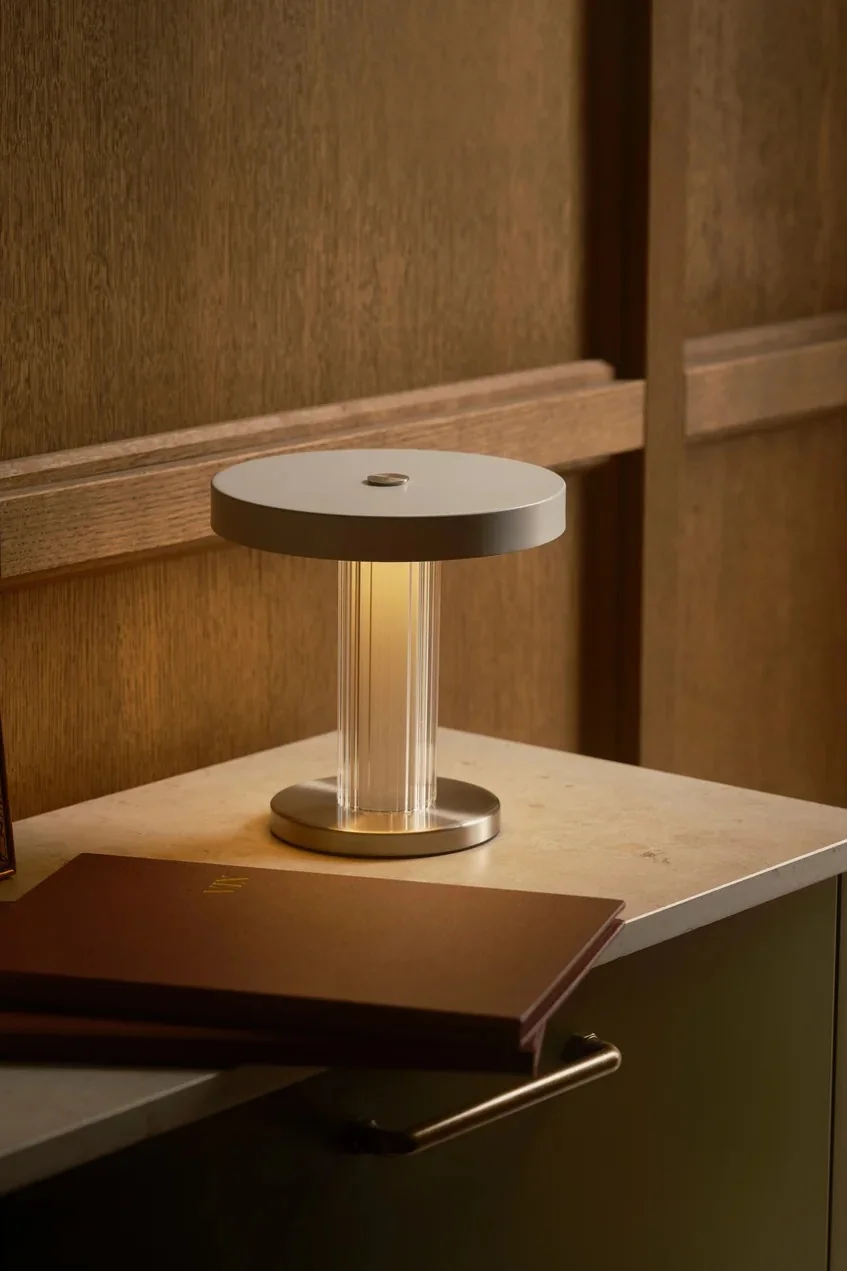
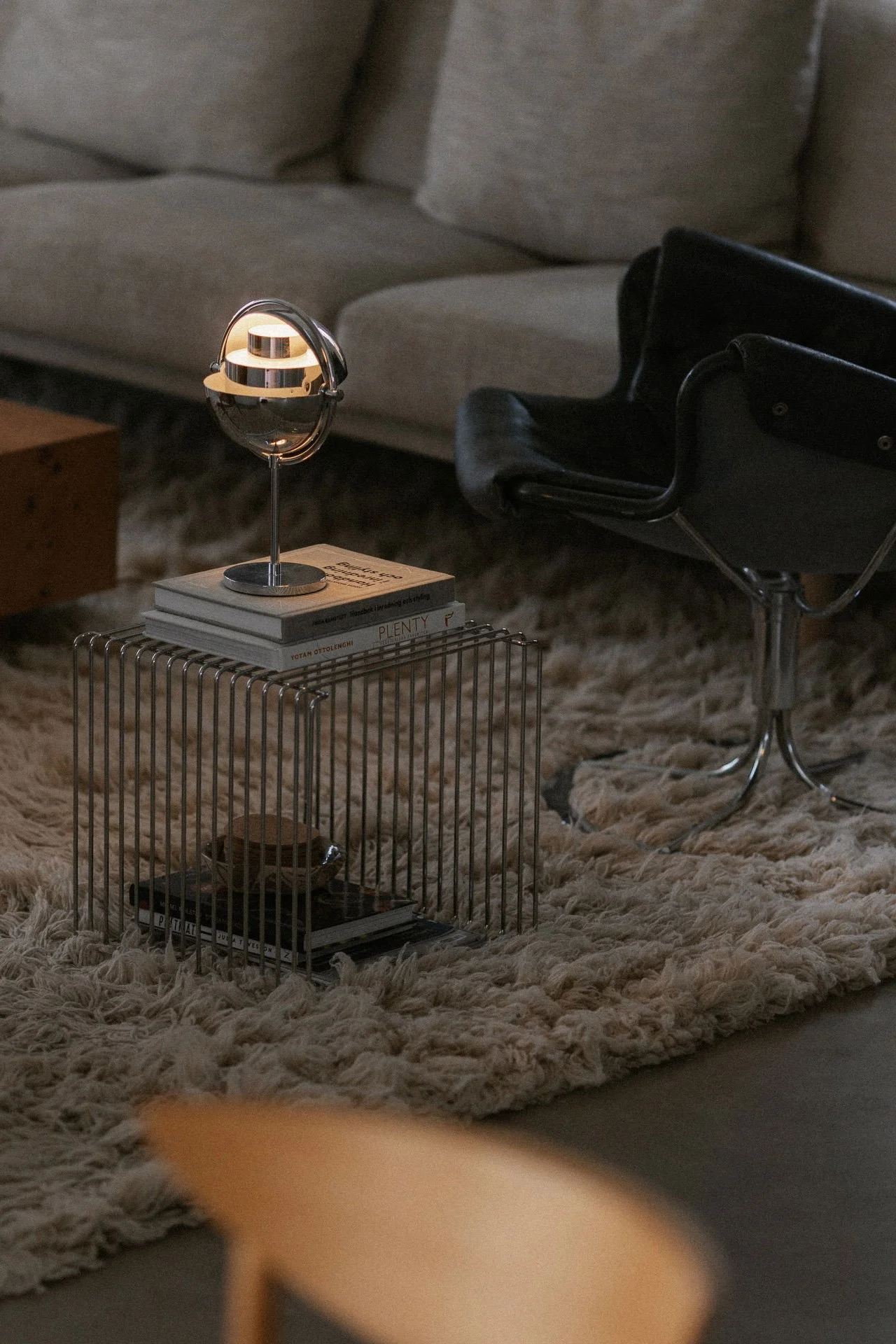
TABLE LAMPS
Show more
Directional vs. diffused light
Within each layer, light also behaves in one of two ways. Directional light is aimed at a specific point — a reading lamp angled at an armchair so you can sit and read, a spotlight or LED strip over a kitchen counter, a picture light directly over your artwork. It's what makes task lighting effective. Diffused light spreads softly in all directions, bouncing off walls and ceilings — this is what makes ambient and mood lighting feel comfortable rather than glaring. A well-planned room mixes both: directional light where you need to focus, diffused light everywhere you want to relax.
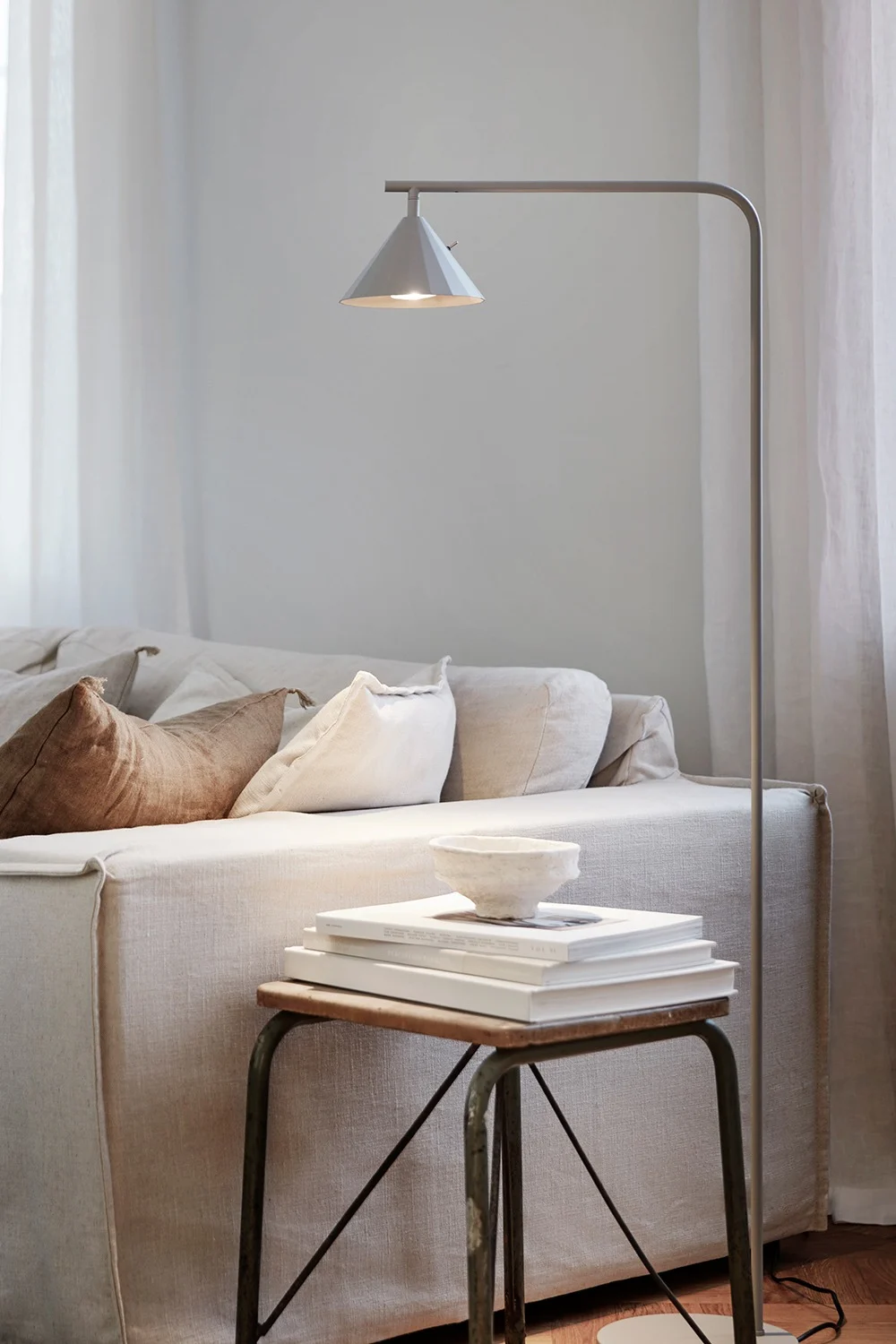
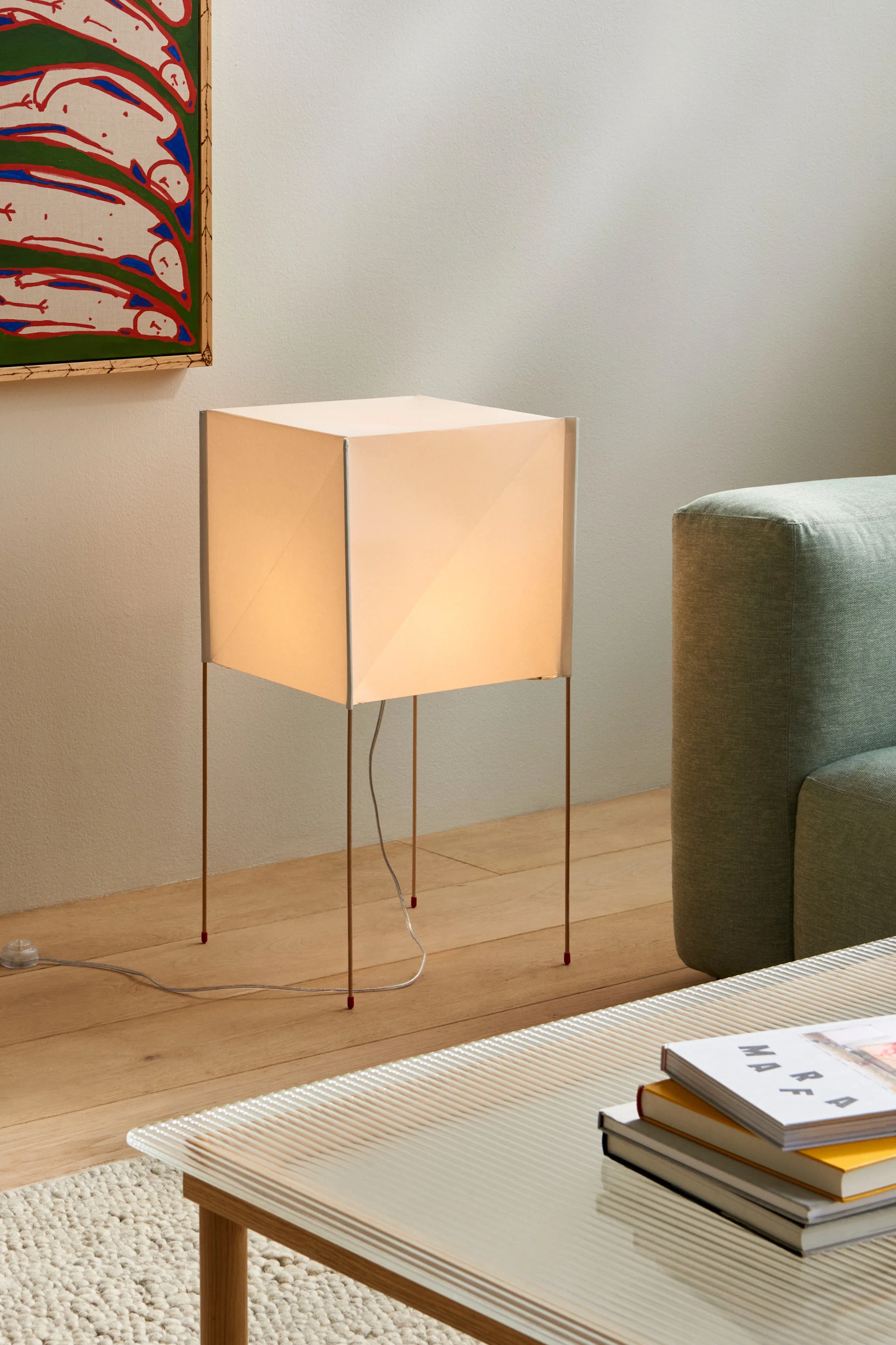
Floor lamps
Show moreHow much light does a room actually need?
Brightness is measured in lumens (the total light a bulb produces) and, for a whole room, in lux (how much of that light actually reaches a surface). You don't need to do the maths yourself, but as a rough guide:
|
Room |
Typical use |
Relative brightness needed |
|
Living room |
Relaxing, socialising |
Low–medium, with brighter task pools for reading |
|
Bedroom |
Winding down, dressing |
Low, with a brighter task light at the bed and mirror |
|
Kitchen (general) |
Moving around, eating |
Medium |
|
Kitchen (worktops/hob) |
Prepping, cooking |
High — 2–3x brighter than the room's general light |
|
Dining room |
Eating, entertaining |
Low–medium, dimmable |
|
Home office |
Reading, screen work |
High, with glare-free task light |
|
Bathroom |
Grooming, mirror tasks |
Medium overall, high and shadow-free at the mirror |
|
Hallway & entryway |
Passing through safely |
Low–medium |
|
Kids' room |
Play by day, sleep by night |
Flexible — bright for play, low and dimmable for bedtime |
Tips:
- Task areas should always be noticeably brighter than the room around them.
- A single ceiling light that is "bright enough to cook by" will be uncomfortably harsh once you sit down to relax in the evening — which is exactly why dimmers and layered lamps matter more than you think.
Choosing the right colour temperature
Colour temperature is measured in Kelvin (K) and describes how warm (yellow) or cool (blue-white) a light appears. Get this wrong and a room can look right technically but feel wrong to be in.
|
Kelvin range |
Appearance |
Best for |
|
2200–2700K |
Warm, candle-like |
Bedrooms, living rooms, dining rooms — anywhere you want to relax |
|
2700–3000K |
Warm white |
Most general home lighting; the safest all-round choice |
|
3000–4000K |
Neutral white |
Kitchens, bathrooms, hallways — bright but still comfortable |
|
4000K+ |
Cool, daylight-like |
Home offices and workspaces where alertness matters more than atmosphere |
As a rule, keep colour temperature consistent within a room — mixing a warm lamp with a cool overhead light is one of the fastest ways to make a space feel disjointed, even if neither light is wrong on its own. And when in doubt, go warmer: Scandinavian interiors lean toward warm, low-glare light even in functional spaces, which is part of what gives that style its calm, understated feel.
Related reading: How to choose the right light bulb

The Kelvin scale – the colour temperature of a bulb is important for the atmosphere in your home, and it is therefore worth to taking an extra look at before you choose a light bulb.
The 5–10 light source rule
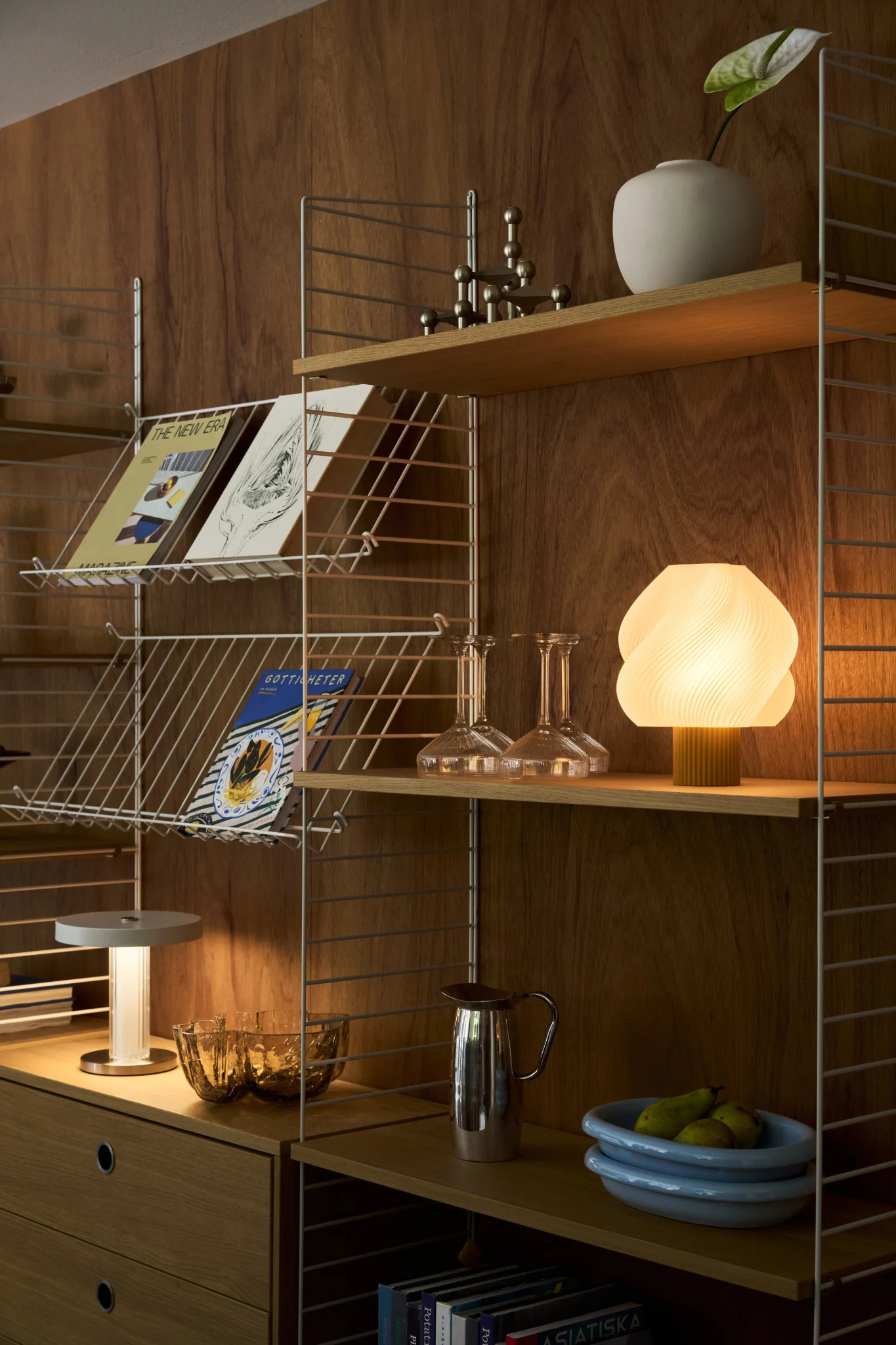
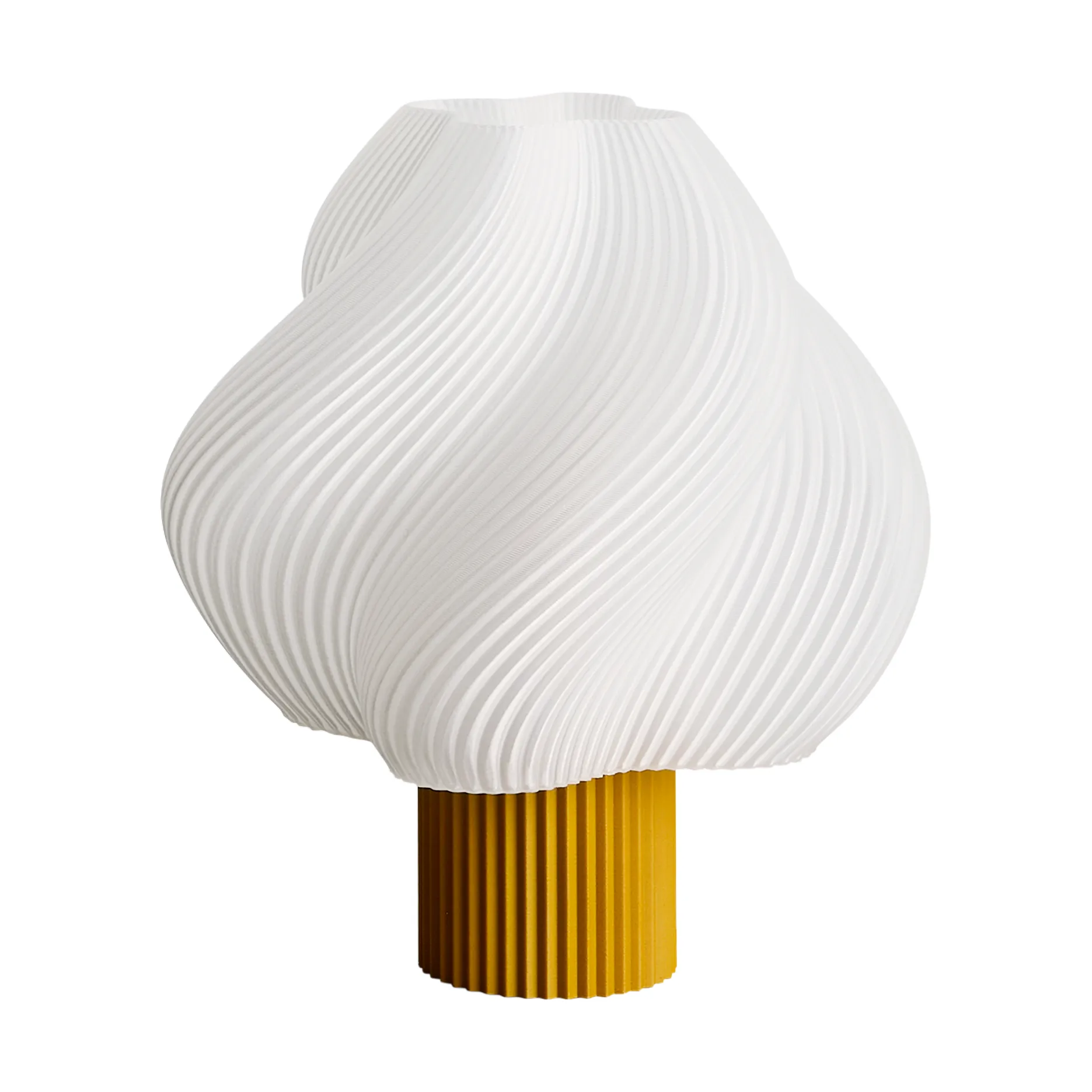
A well-lit room typically has somewhere between five and ten individual light sources. That sounds like a lot until you count what actually qualifies: a ceiling or pendant light, a floor lamp, one or two table lamps, wall lights, under-cabinet or shelf lighting, and candles all count as separate sources. Spreading light across several smaller sources — rather than one strong overhead fixture — is what avoids harsh shadows and lets you dial a room up for activity or down for atmosphere, especially once each source is on its own switch or dimmer.


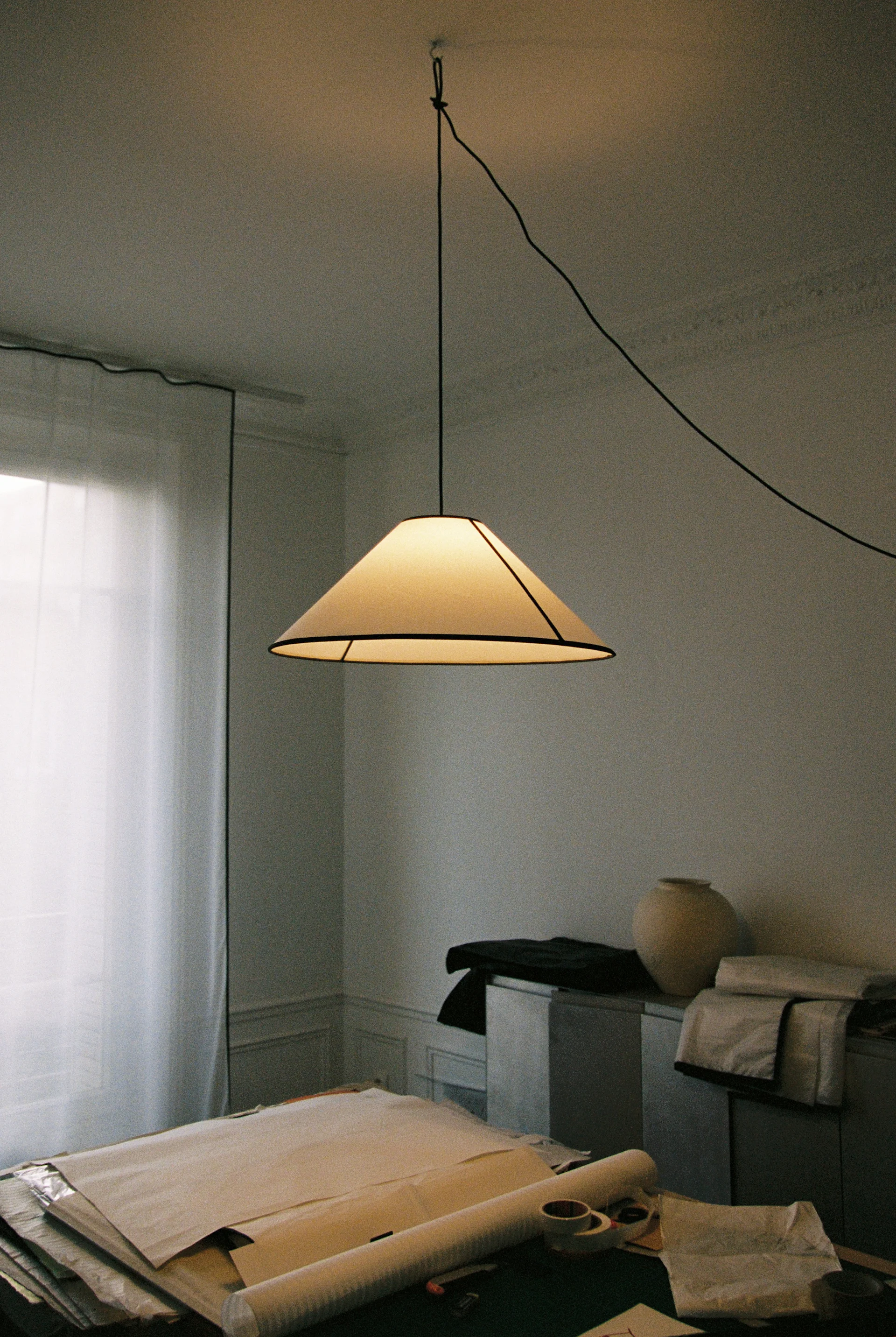
CEILING LAMPS
Show moreRoom-by-room lighting plans
Living room lighting
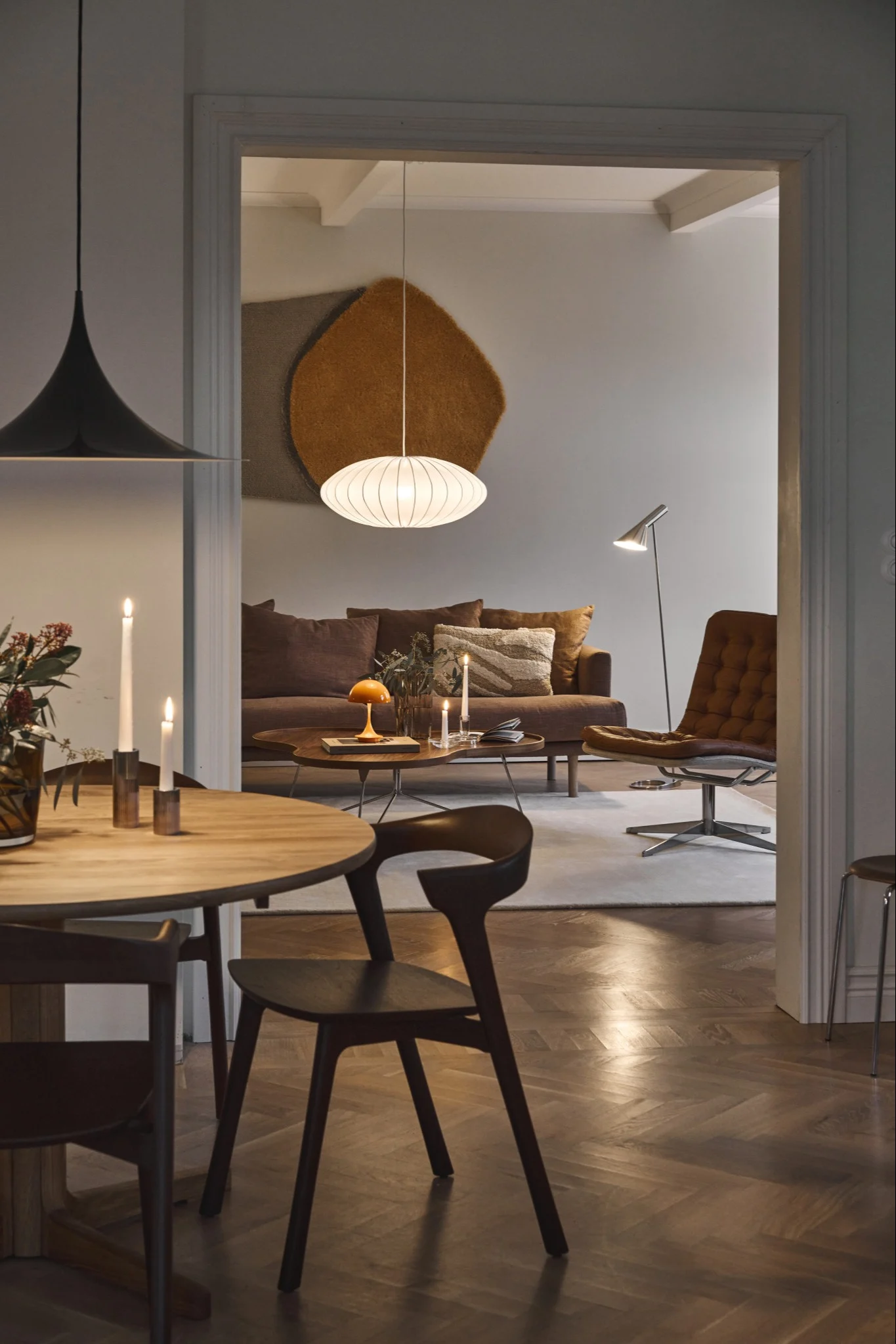
The living room often does more jobs than any other room so it needs all three layers working independently. Combine a ceiling or pendant light for ambient coverage, a floor lamp beside the sofa or reading chair for task light, and one or two table lamps for evening atmosphere. Put the ambient layer on a dimmer so the room can move from bright and social to low and relaxed without changing a single bulb.
Read more: Ceiling lights for the living room
Bedroom lighting ideas
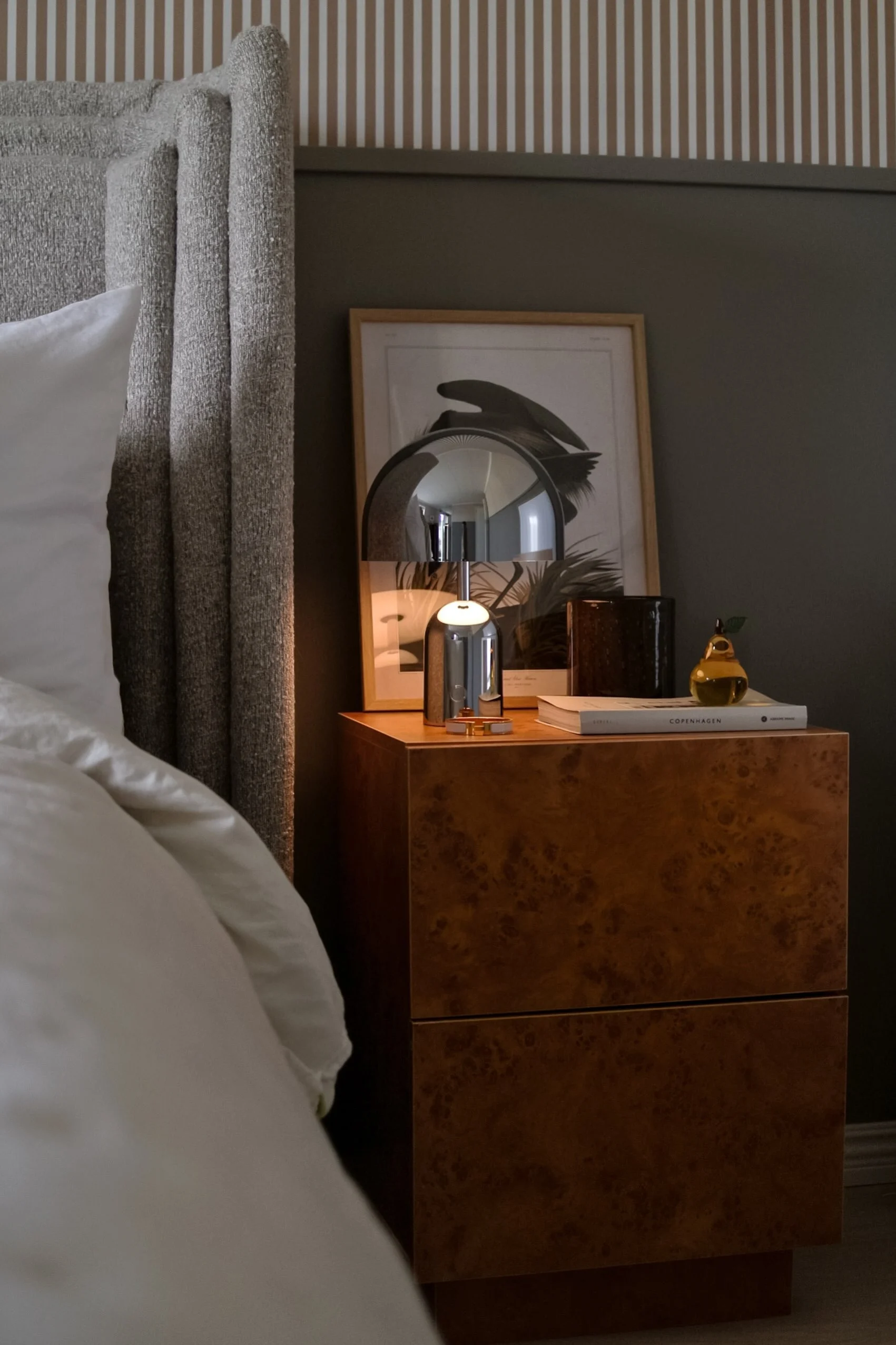
Bedrooms need gentle, warm, low-glare light above almost everything else. A pendant or flush ceiling light covers general use, but the real workhorses are bedside lights — table lamps or adjustable wall lights positioned so you can read without glare or without disturbing a partner. A dimmer or a warm-toned lamp for the hour before sleep makes a measurable difference to how restful the room feels.
Read more: Guide to bedroom lighting
Kitchen lighting
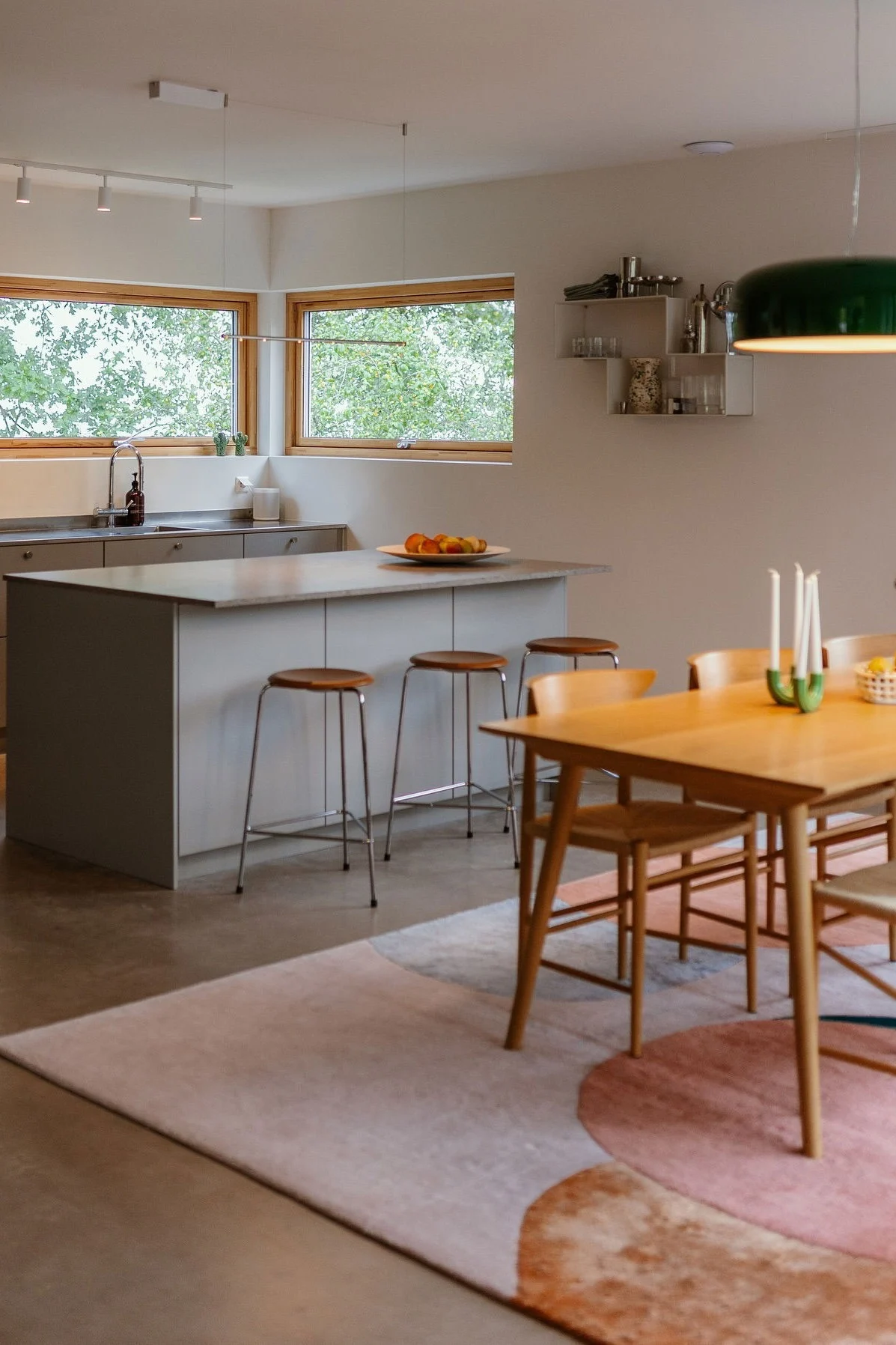
The kitchen needs the widest brightness range of any room in the house. General lighting keeps the space usable for moving around and eating, but worktops, the hob and the sink need dedicated, shadow-free task lighting — typically under-cabinet strips or directional spotlights. Over a kitchen island or dining table, pendant lights angled downward add both task light and character. Keep worktop lighting closer to neutral white (3000–4000K) so food colours read accurately, and let the general room lighting stay warmer.
Read more: Create magic in your kitchen with the perfect kitchen lighting ideas
Dining room lighting ideas
Dining spaces live and die by the pendant or chandelier above the table — but it should never be the only light in the room. Pair it with wall lights or a sideboard lamp so the room doesn't go dark the moment the main fixture is dimmed for a meal, and put everything on dimmers. Common mistake: hanging the pendant too high or too low — as a guide, the bottom of the fixture should sit roughly 70–80cm above the tabletop.
Read more: Dining room lighting ideas
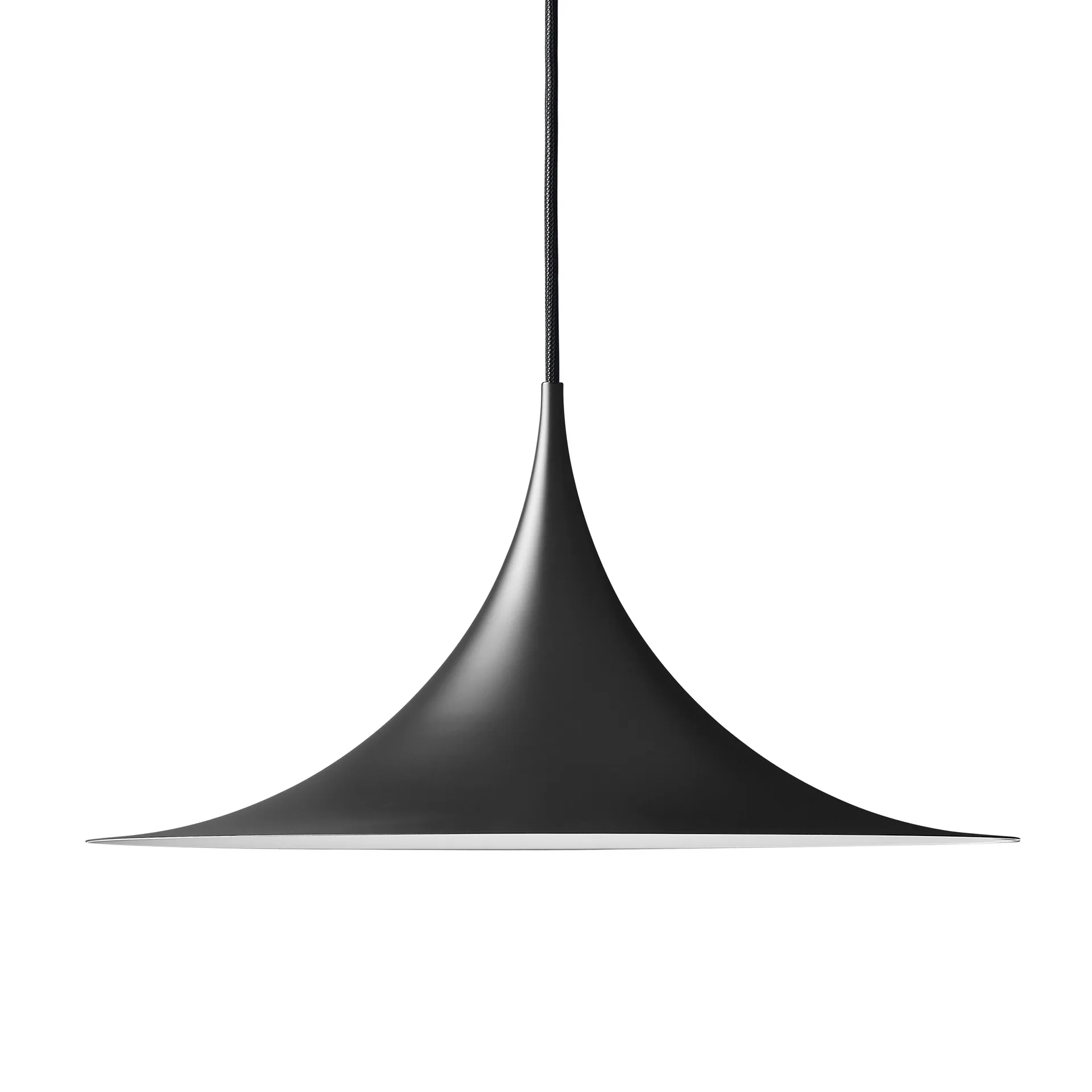
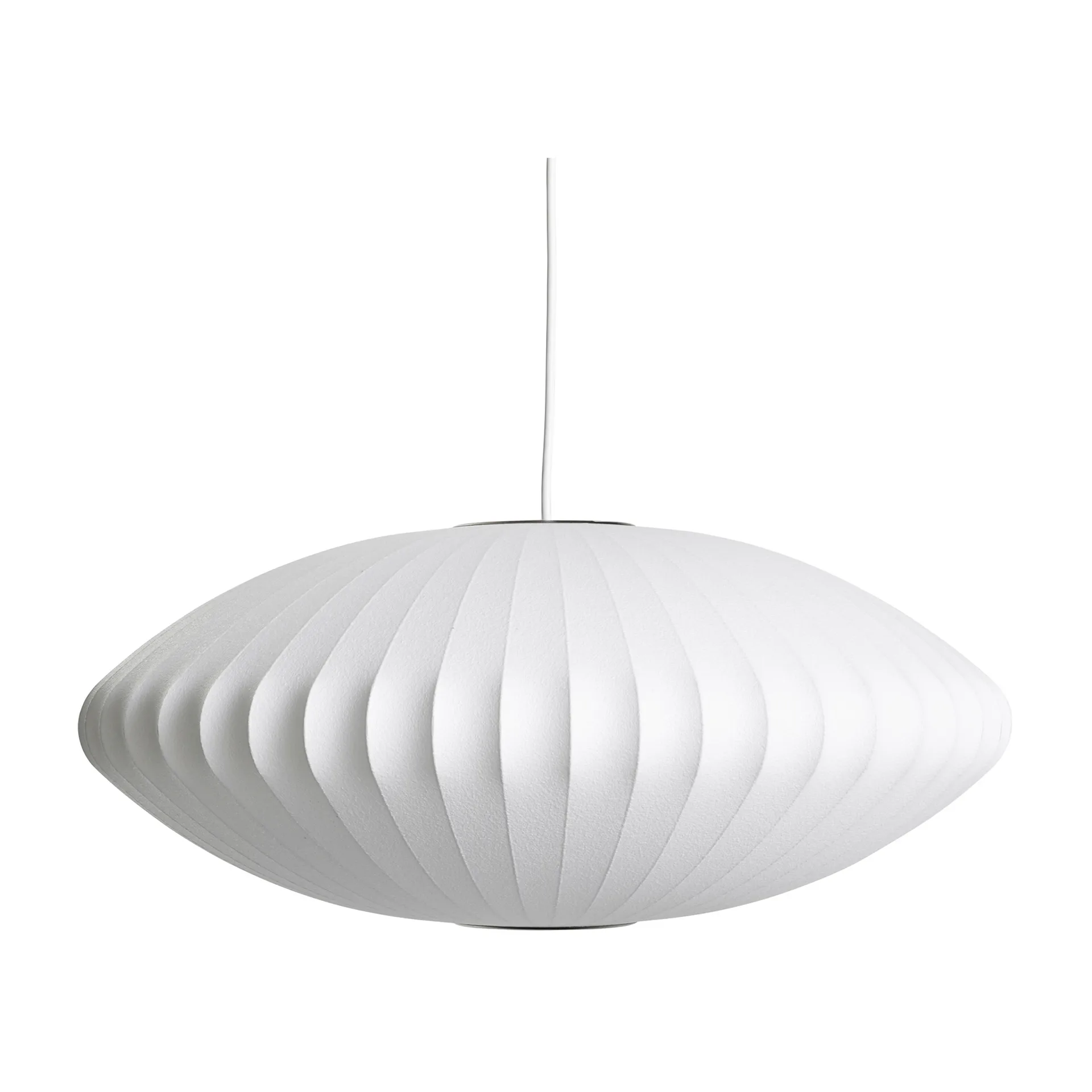
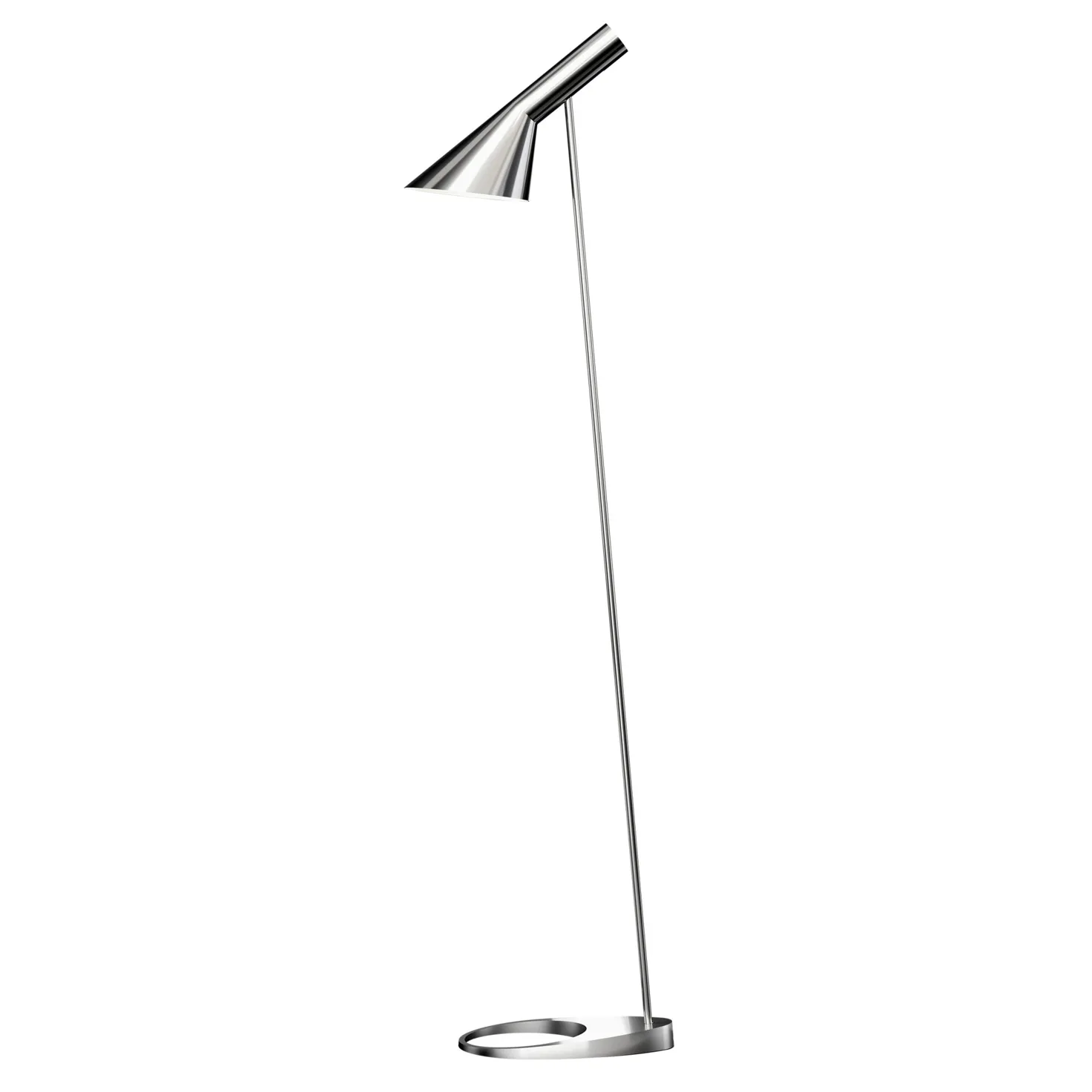
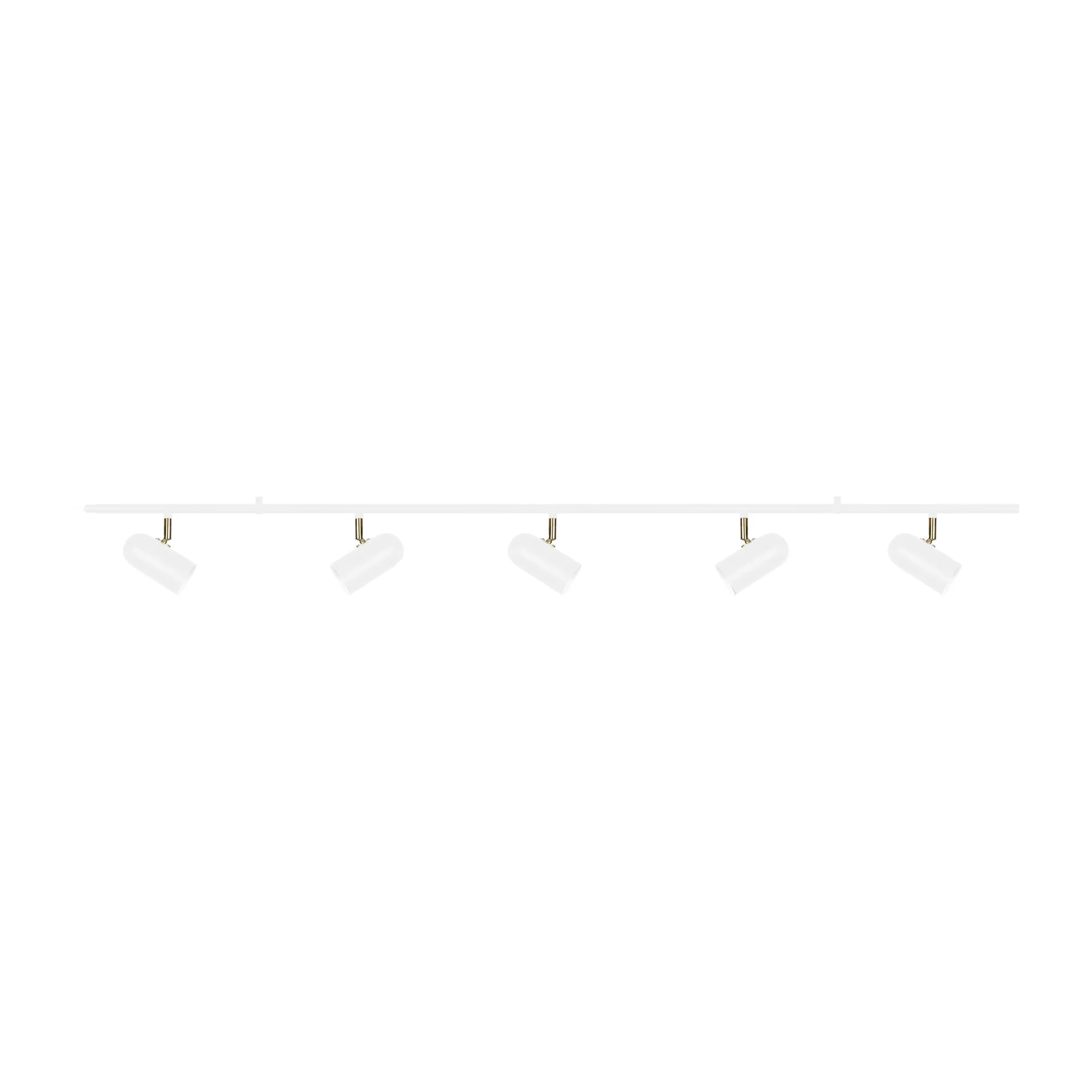

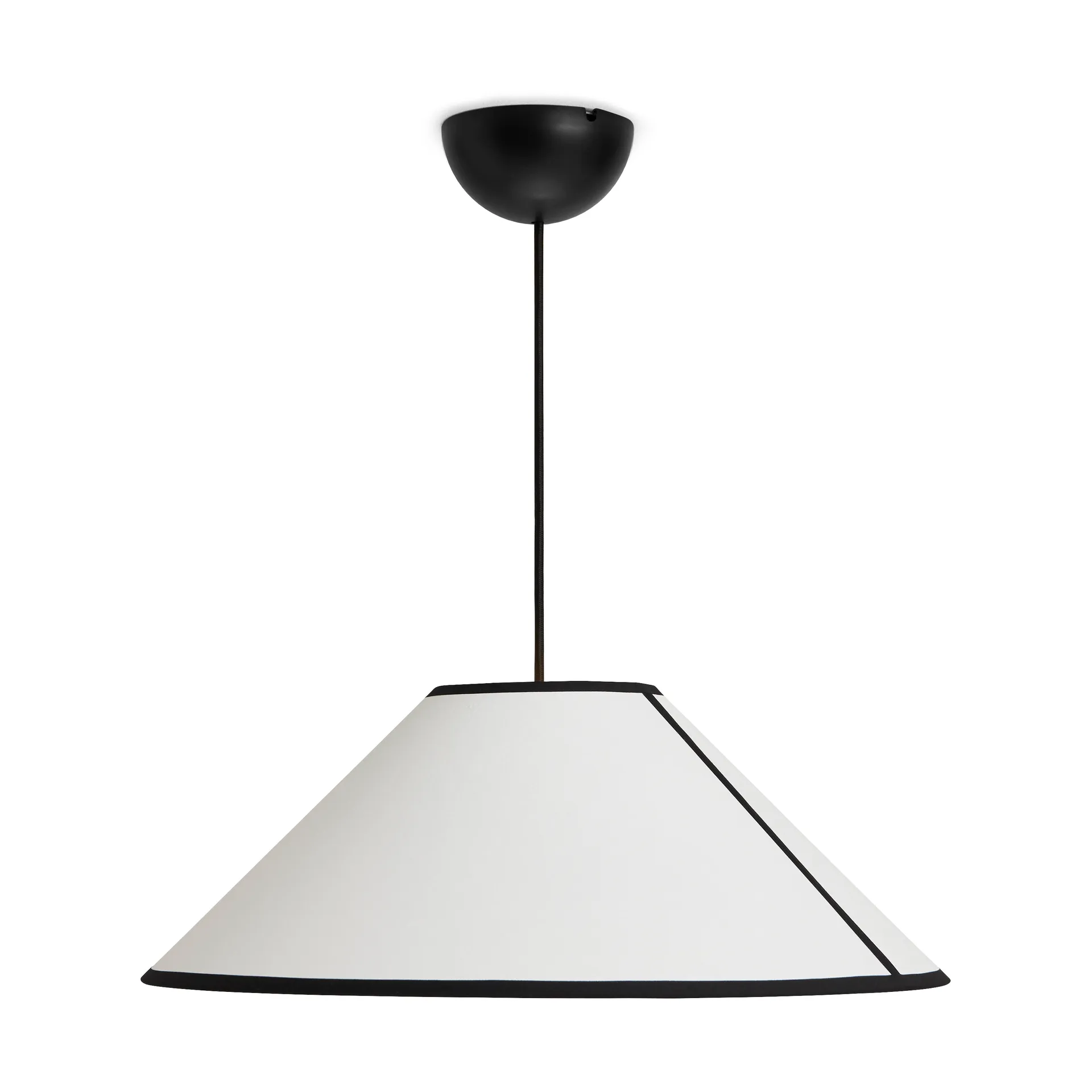
PENDANT LAMPS
Show moreHome office
This is the one room where cooler, brighter light earns its place — 4000K or above helps with focus during the working day. Position a task lamp so light falls across your desk without casting your own shadow over your work or creating glare on a screen; light from the side is usually better than light from directly behind or in front of you. Add a warmer secondary lamp for evenings, since a home office lit like an operating theatre after 6pm makes it hard to switch off, literally and figuratively.
Read more: Decorate a small home office – details to make your working day easier
Bathroom
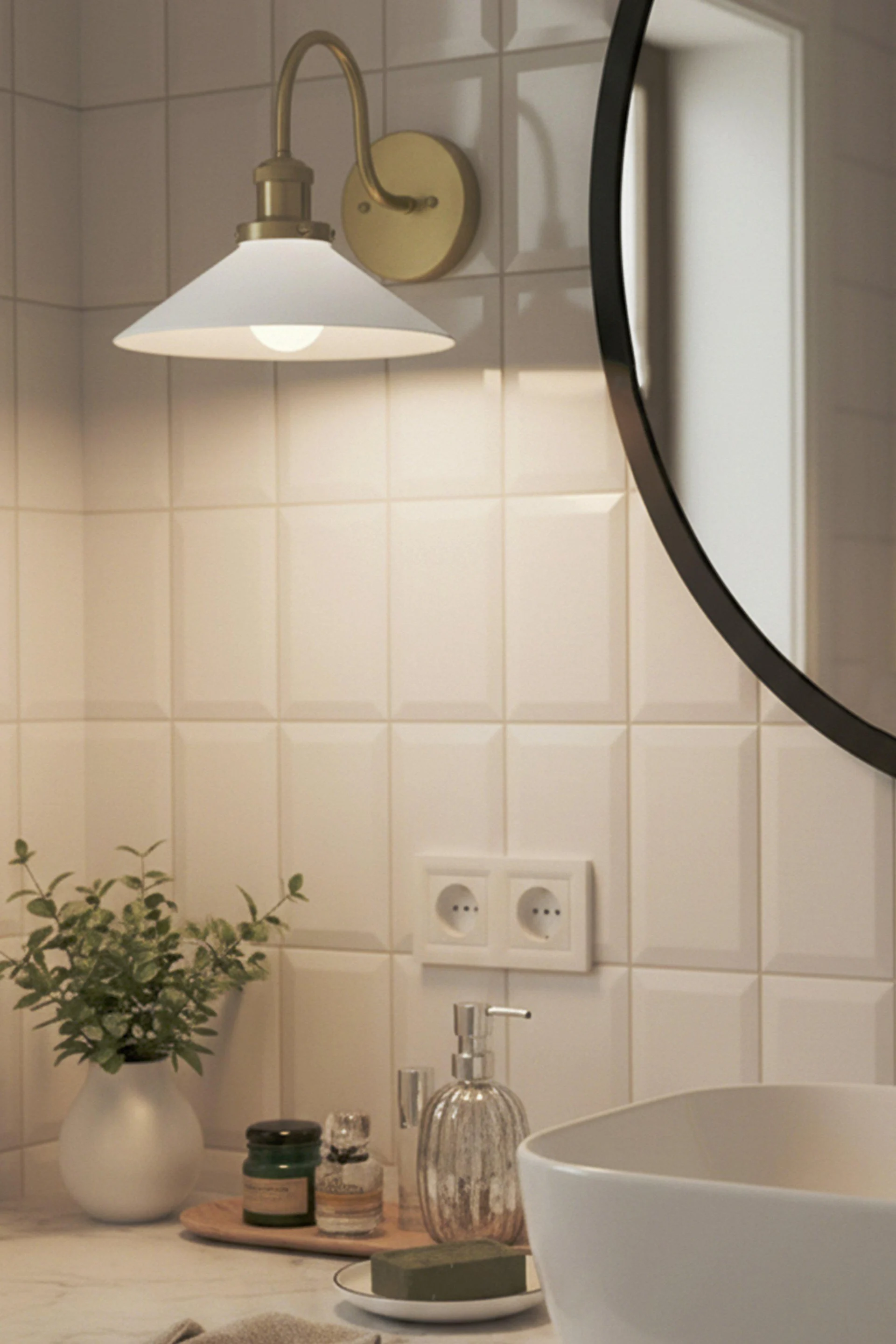
General lighting keeps the room easy and usable, but the mirror needs its own dedicated light — ideally from the sides or surrounding the mirror rather than directly overhead. Keep colour temperature close to neutral white (2700–3000K) so colours and make up read true. Common mistake: a single downlight above the mirror, which lights the top of your head and shadows your face.
Read more: Create a spa at home – 5 relaxing spa décor ideas
Hallway & entryway
Hallways are transitional spaces, so they don't need to be bright, but they do need to be even. A ceiling or pendant light is usually enough, topped up with a console or wall light near the entrance to make the first impression of your home a warm one rather than a bare, under-lit one.
Read more: How to decorate a small hallway
Kids' room
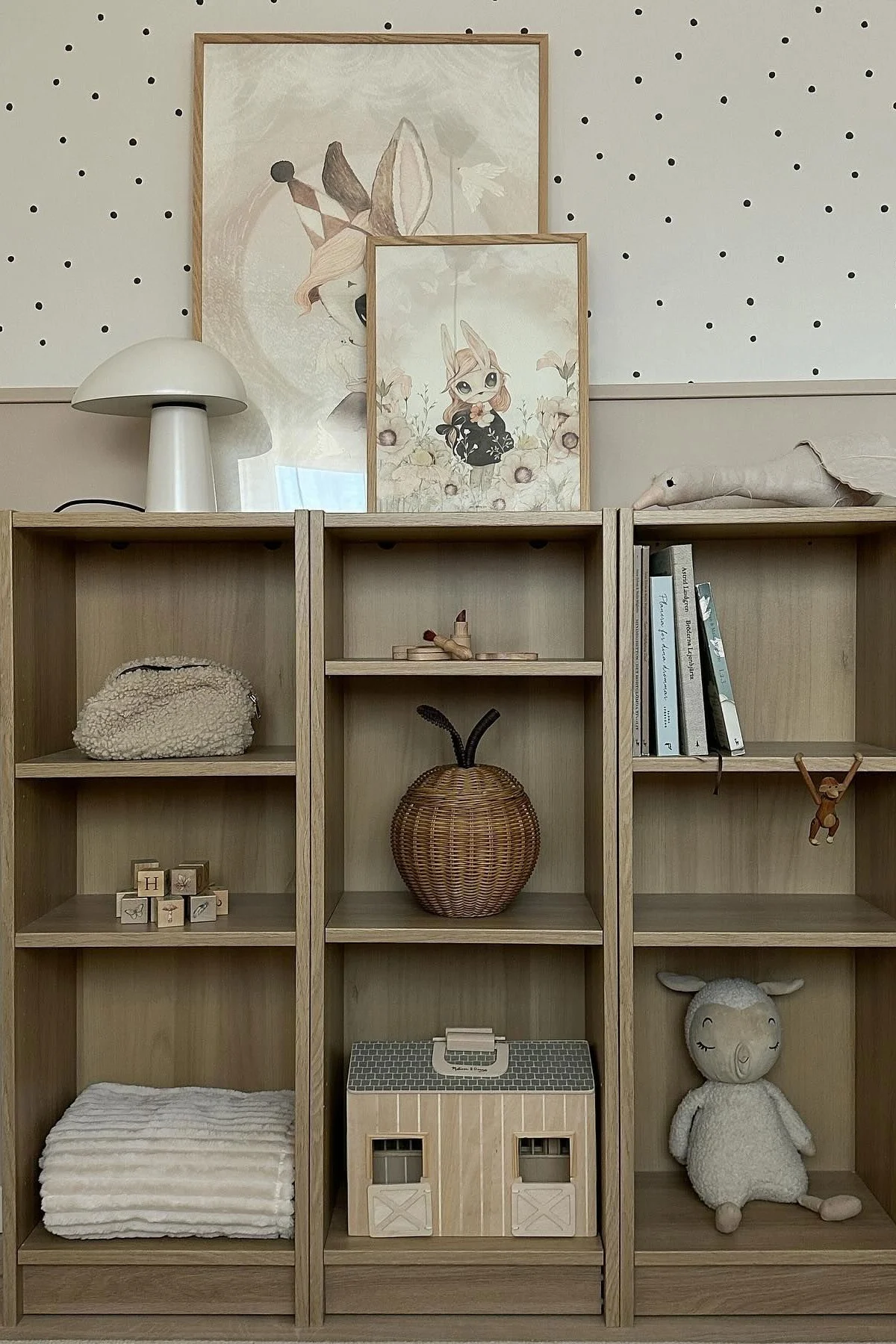
Kids' rooms need to do two opposite jobs: bright enough for play and homework, calm enough for sleep. A dimmable ceiling light covers both if paired with a soft, low-glare lamp or night light for bedtime — ideally one your child can reach and switch on themselves. Avoid harsh cool-white light here; warm tones support winding down at night far better than daylight-mimicking bulbs.
Read more: Children’s bedroom ideas
Outdoor & balcony
Outdoor lighting is often the most overlooked layer of all. Even a small balcony benefits from a warm, low-level light source — string lights, a portable lamp, or a wall light by the door — both for safety on the step and for making the space usable after dark. Keep outdoor fixtures rated for the exposure they'll get, and lean warm (2700K or below) to keep the space feeling relaxed rather than like a car park.
Read more:Tips & ideas to transform your balcony

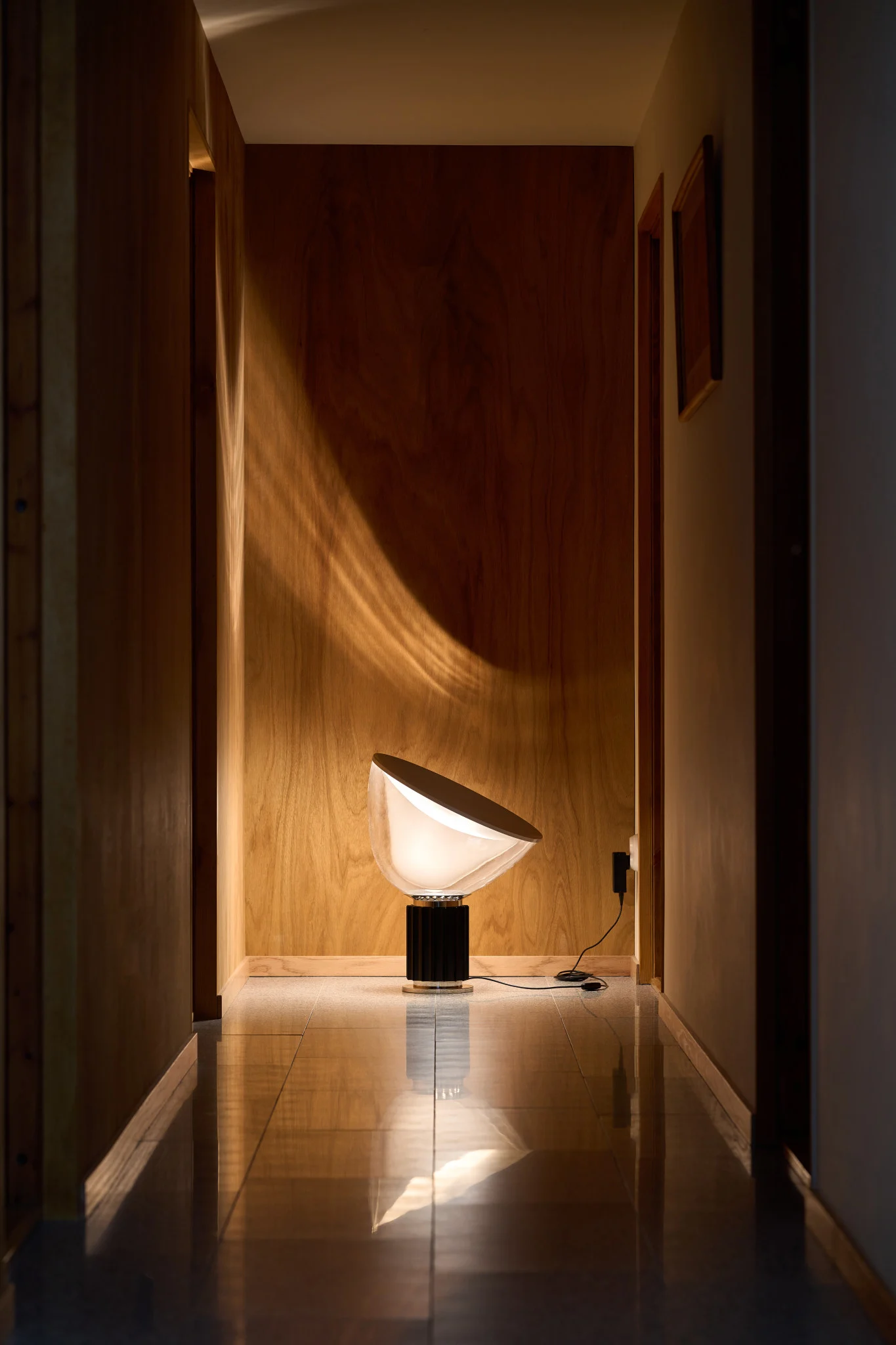
Dimmers and smart lighting
If you make one upgrade after reading this guide, make it a dimmer. A dimmer turns a single fixture into two or three effective lighting layers — bright for cleaning and tasks, low for evenings — without adding a single extra lamp. Not every bulb is dimmable, so check compatibility before you buy, and note that some LED bulbs need a matching dimmer switch to avoid flickering.
Smart bulbs and switches take this further: they let you save "scenes" (a work setting, a relaxed evening setting, a hosting setting) and adjust colour temperature as well as brightness through the day — cooler and brighter in the morning, progressively warmer as the evening goes on. This kind of circadian-friendly lighting has moved from a novelty to a mainstream feature of well-planned homes, and it's worth considering wherever you're already planning to rewire or replace fixtures.
Common lighting mistakes to avoid
- Relying on a single central ceiling light. It's the single most common lighting mistake, and the fastest one to fix by adding even one floor or table lamp.
- Mixing colour temperatures in the same room. A warm lamp next to a cool-white downlight will make both look wrong.
- Putting task lighting in the wrong place. A reading lamp behind your shoulder, or a kitchen spotlight that lights the counter in front of where you stand rather than where your hands actually work.
- Forgetting dimmers. Fixed brightness means every room is lit for only one mood, at one time of day.
- Hanging pendants at the wrong height. Too high and they lose their impact and function; too low and they block sightlines across a table or room.
- Lighting a mirror from above instead of the sides. It's the difference between flattering light and shadowed, uneven light.
Frequently asked questions
How many light sources should a living room have?
What colour temperature is best for a bedroom?
Do I need a dimmer in every room?
What's the difference between ambient, task and accent lighting?
Where should kitchen task lighting go?
Photography: @joanna.avento @applaudden @my.nordic.cottage @linneajirasek, Ardijan Mahmutaj

SHOP LIGHTING
Show moreCustomer Service
Selection
Inspiration


